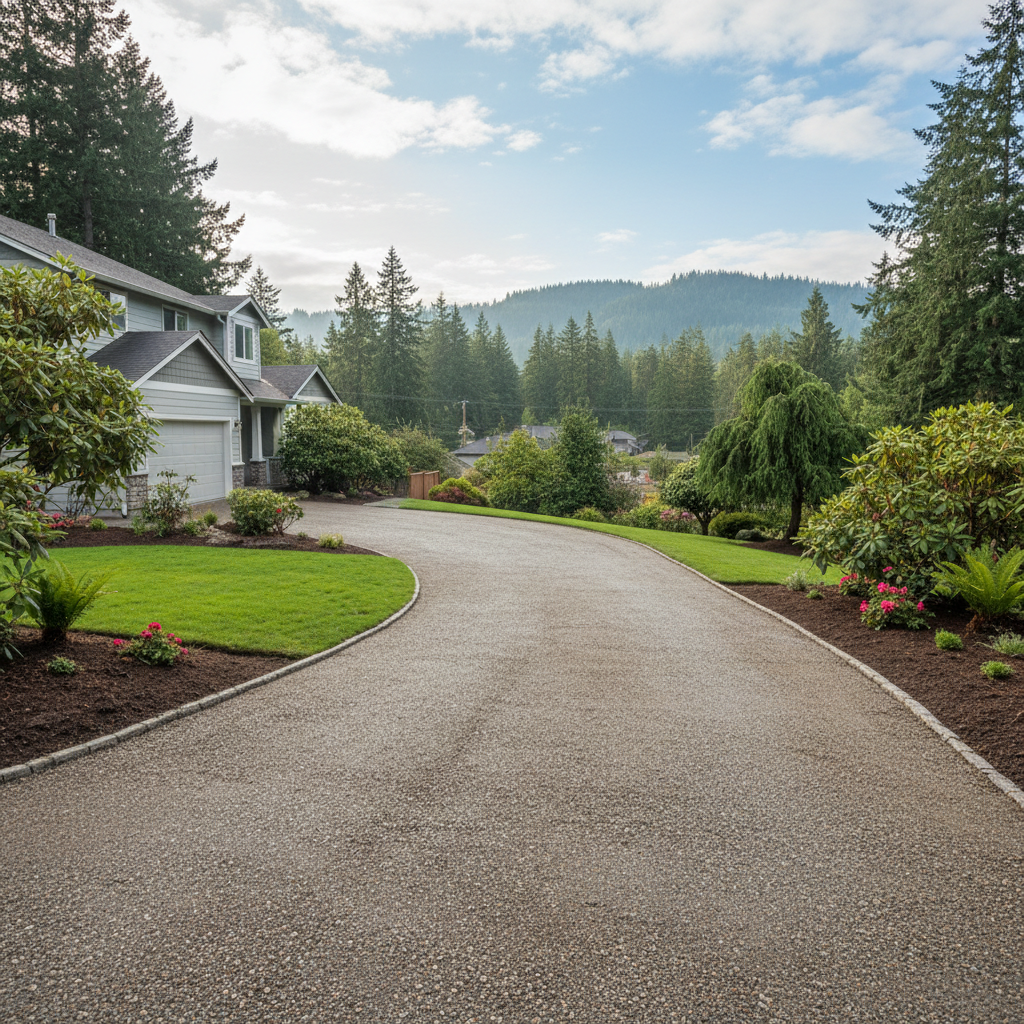
Alright, let's talk about asphalt milling. Maybe your driveway's seen better days, or perhaps a private road on your property has some serious ruts and cracks. You're not really looking for a full tear-out and replace job, but you know it needs more than just a patch. That's often where milling comes in, and for many folks around Arlington, it's a smart move.
Milling is basically like shaving off the top layer of your existing asphalt. It's a fantastic way to fix surface issues, improve drainage, or get a consistent base for a new overlay. Best of all, it avoids the huge cost and disruption of digging everything up. But like any big project, you've got to plan it right.
Planning Your Milling Project: What to Expect Timeline-Wise
So, what does the timeline look like? It's not an overnight thing, no, but it's usually quicker than a full reconstruction. From your first call to a contractor right up to the finished product, here's a rough idea:
- Initial Contact & Estimate (1-2 weeks): You'll call a few local outfits. They'll come out, take measurements, check out your existing pavement, and then give you a quote. This is your chance to really make sure they understand what you're trying to achieve.
- Scheduling (2-4 weeks, or more in peak season): Once you pick a contractor and sign on the dotted line, they'll get you on their schedule. Spring and summer are super busy around here, especially with our drier weather, so don't be surprised if there's a bit of a wait. The good contractors are usually booked up, after all.
- Permits (If needed, 1-3 weeks): For residential driveways, you typically don't need a permit for milling and overlay. That is, unless you're changing the footprint or tying into a city road in a major way. But if it's a larger private road or a commercial property, always check with the City of Arlington planning department. It's way better to know upfront than to have your job stopped halfway through.
- Project Execution (1-3 days): The actual milling and paving part usually goes pretty fast for a residential job. Most driveways can be milled in a single day, and then the crew lays down the new asphalt the next. Larger areas might take a bit longer.
- Curing Time (7 days to a month): You can usually drive on it pretty quickly, but it takes time for the asphalt to fully cure and harden. We'll give you specific instructions, but generally, avoid heavy vehicles, sharp turns, and parking in the same spot for too long during the first week or two.
What Happens During the Milling Process?
When we show up, here's what you'll see. First, we mark out the areas that need milling. Then, the milling machine gets to work. It's a big piece of equipment with a rotating drum that has a bunch of cutting teeth. It literally shaves off the top layer of asphalt to a precise depth. The machine collects the removed material – we call this 'millings' or 'RAP' (reclaimed asphalt pavement) – and loads it into dump trucks. This material often gets recycled, which is pretty cool, don't you think?
Once the milling is done, you'll have a rough, textured surface. This makes a great base for a new layer of asphalt. We clean up the area, make sure it's ready, and then the paving crew comes in to lay down the new hot mix asphalt. It's a pretty efficient operation when done right.
How to Prepare Your Property
You've got a part to play too! Making sure your property is ready helps us get in and out efficiently:
- Clear the Area: Move cars, boats, RVs, trash cans, planters, basketball hoops – anything on or near the asphalt surface.
- Mark Sprinklers/Utilities: If you have any underground sprinkler heads, invisible dog fences, or shallow utility lines near the edge of the pavement, mark them clearly with flags or paint. We definitely don't want any surprises.
- Trim Overhanging Branches: If you've got low-hanging tree branches over the driveway, give 'em a trim. Our equipment needs clearance.
- Inform Neighbors: Milling can be a bit noisy, and there will be trucks coming and going. Give your neighbors a heads-up so they know what to expect.
- Plan for Access: You won't be able to use the milled area or the fresh asphalt for a bit. Plan for alternate parking or temporary access if needed.
Key Questions to Ask Before You Sign
Don't just jump at the first quote. Ask these questions to make sure you're getting a good deal and a reliable contractor:
- What depth are you milling to? This is important. It affects how much material gets removed and the thickness of your new overlay.
- What's the plan for drainage? Milling can change grades. A good contractor like Coastal Asphalt Solutions will make sure water still flows where it should and doesn't pool up.
- What type of asphalt mix will you use for the overlay? There are different mixes, and some are just better suited for residential driveways and our specific climate here in the Pacific Northwest.
- How will you handle the edges and transitions? You certainly don't want a big lip where the new asphalt meets your lawn or garage.
- What's your warranty on the work? A reputable company stands behind their work.
- Can you provide references from other milling jobs? Always a good idea to hear from past customers.
Milling is a solid solution for many asphalt problems. Do your homework, ask the right questions, and prepare your property, and you'll end up with a smooth, durable surface that'll last for years.