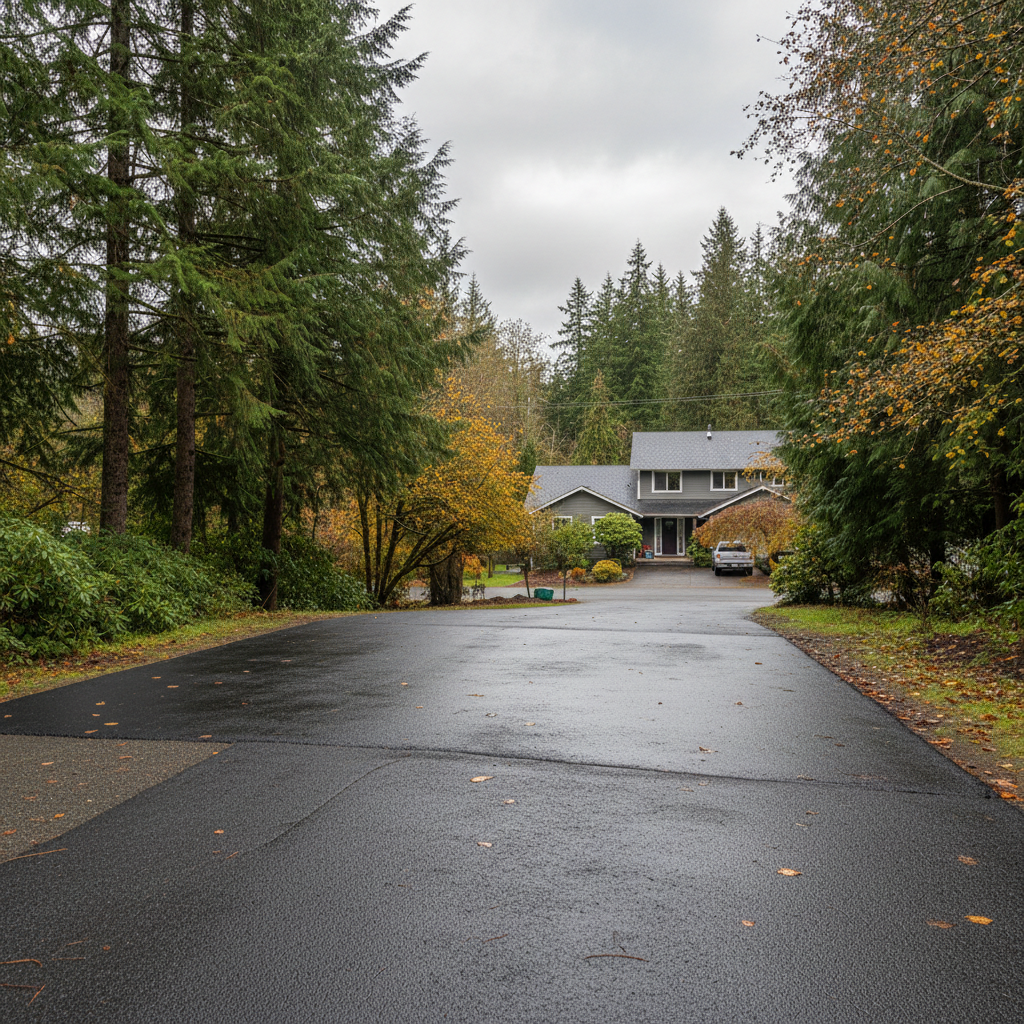
Your asphalt driveway takes a beating, doesn't it? Especially up here in Arlington. All that rain, the freeze-thaw cycles we get, and just the daily grind of cars coming and going. Eventually, you're going to see cracks, maybe even some potholes. When that happens, you're probably wondering, "When's the best time to get this patched up?"
Timing Your Asphalt Patching Right
Honestly, when it comes to asphalt patching, timing is almost everything. You can't just patch whenever you feel like it and expect it to hold. The material needs specific conditions to cure properly and bond with your existing pavement. Here in the Pacific Northwest, that usually means we're looking at certain windows.
Generally, late spring through early fall is your sweet spot. Think May, June, July, August, and maybe early September. Why then? Because we need consistent, warmer temperatures. The asphalt emulsion and hot mix asphalt we use for patching need heat to become pliable, to be worked effectively, and then to cure. If it's too cold, the material won't compact right, it'll be brittle, and it just won't last. You'll be patching again sooner than you'd like.
We also need relatively dry conditions. A little drizzle isn't the end of the world, but a downpour? Forget about it. Water and asphalt don't mix well during the installation or curing phase. It can prevent proper adhesion, leading to premature failure of the patch. So, while our Arlington summers aren't always scorching, those dry spells are golden for asphalt work.
Weather Conditions That Matter for Patching
Let's talk specifics about the weather. It's not just about "warm and dry." There are a few things I'm always looking at before I even think about sending a crew out for patching:
- Temperature: We really need the air temperature to be consistently above 50°F (10°C) and ideally climbing. Nighttime temps matter too. If it drops too low overnight, it can slow down the curing process significantly.
- Moisture: The surface has to be dry. Completely dry. Any standing water or even dampness can compromise the bond. That's why those long stretches of summer sun are ideal.
- Humidity: While not as critical as temperature or direct moisture, extremely high humidity can also affect how quickly the asphalt emulsion cures. It's less of an issue here than in other climates, but it's still a factor.
- Wind: A little breeze is fine, can even help dry things out. But strong, gusty winds can make it tough to apply materials evenly and can carry debris onto the fresh patch.
You know how our weather can be. One day it's sunny, the next it's pouring. That's why scheduling can sometimes be a bit of a dance. We're always watching the forecast closely to make sure we're setting ourselves up for success. We want to do the job right the first time, and that means respecting what the weather's doing.
Protecting Your Asphalt Investment Year-Round
Getting your asphalt patched correctly is a big step, but it's not a one-and-done deal if you want it to last. You've got to protect that investment year-round, especially with the kind of weather we get around here, like those heavy rains that roll in off Puget Sound and hit the foothills.
Here are a few things you can do:
- Deal with small cracks early: Don't wait for a crack to become a pothole. Small cracks let water in, and once water gets under your asphalt, it's game over. It freezes, expands, thaws, and pretty soon you've got a much bigger problem. Crack filling is a relatively inexpensive way to prevent major damage.
- Keep it clean: Leaves, dirt, and debris can hold moisture against the asphalt, encouraging deterioration. Plus, chemicals from oil leaks or other spills can break down the binder. A quick sweep or hose-down now and then goes a long way.
- Manage drainage: Make sure water isn't pooling on your driveway. If you have low spots where water sits, that's a prime location for accelerated damage. Sometimes a simple fix to your landscaping or gutters can reroute water away from your pavement.
- Sealcoating: This is your asphalt's sunscreen and raincoat. Sealcoating every 2-3 years (depending on traffic and wear) protects the surface from UV rays, water penetration, and oxidation. It keeps the asphalt flexible and looking good. It’s a critical part of a long-term maintenance plan.
- Avoid heavy loads: If you're having a big delivery or a dumpster placed, try to pick a spot off the main asphalt if possible, or use plywood to distribute the weight. Repeated heavy loads can stress and crack your pavement.
Look, your driveway is a big part of your property's curb appeal and functionality. Taking care of it means it'll last longer, look better, and save you money on major repairs down the road. If you've got questions about patching or year-round maintenance for your Arlington home, don't hesitate to reach out. We're Coastal Asphalt Solutions, and we're here to help keep your pavement in top shape.