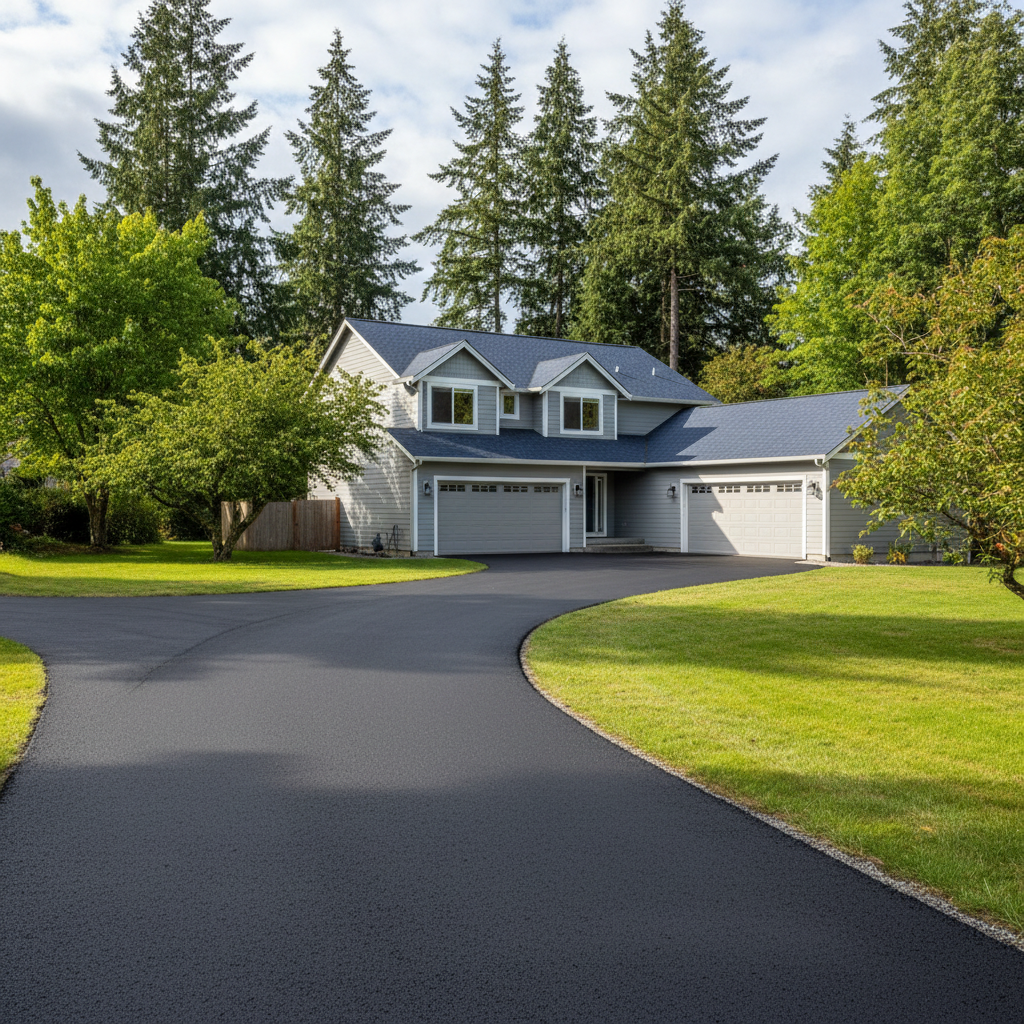
So, you're ready for a new driveway, huh? That's a big project, and it's one you want to get right. You're investing a good chunk of change, and a well-done driveway adds curb appeal and value to your home. But before you even think about calling a contractor, there's some planning you should do. Trust me, it'll save you headaches and money down the road.
Setting Your Project Timeline
First things first: don't rush this. A good driveway project isn't something that happens overnight. From your first thought to the final roll, you're looking at a few weeks to a couple of months, depending on the season and contractor availability. Here's a rough breakdown of what to expect:
- Initial Planning & Research (2-4 weeks): This is where you figure out what you want, what your budget looks like, and start looking for reputable contractors. Get your ducks in a row.
- Getting Bids & Choosing a Contractor (2-3 weeks): You'll want to get at least three quotes. Compare them, ask questions, and check references. Don't just go with the cheapest guy; you often get what you pay for.
- Scheduling the Work (1-4 weeks out): Once you've picked your pro, they'll fit you into their schedule. Spring and fall are busy times for us, so you might wait a bit longer.
- Pre-Construction & Site Prep (1-3 days): This is when the crew comes out to mark utilities, clear the area, and get ready for excavation.
- Construction (1-5 days): The actual paving. This varies based on driveway size and complexity.
- Curing Time (7-30 days): After we lay the asphalt, you can't drive on it right away. We'll tell you exactly how long to wait.
Keep in mind, our weather here in Arlington can throw a wrench into things. A stretch of heavy rain, especially during the spring thaw when the ground is already saturated, can delay excavation or paving. We need dry conditions for proper compaction and asphalt adhesion, so sometimes we have to push dates. It's just part of working outside in the Pacific Northwest.
What to Expect During the Process
Okay, you've signed the contract, and the date's set. What's going to happen when the crew shows up? It's not just a truck rolling up and dumping asphalt. There's a process, and knowing it helps you understand what's going on.
First, we'll start with excavation. That means digging out the old driveway, or if it's a new installation, clearing the area and grading it properly. This is where we establish the right slope for drainage. You don't want puddles sitting on your new driveway, trust me. Then we'll lay down a good, solid base layer – usually crushed rock. This is crucial for stability and longevity. We compact that base thoroughly. If this step is skipped or done poorly, you'll see cracks and dips pretty quickly.
Next comes the asphalt binder layer, which is a coarser mix, followed by the surface layer, which is finer and gives you that smooth finish. Each layer gets compacted with heavy rollers. It's loud, it's dusty, and it takes up space. You'll likely have equipment, trucks, and materials on your property for a few days. We do our best to minimize disruption, but it's a construction zone for a bit. We'll also be mindful of things like your landscaping and any existing utilities.
How to Prepare Your Property
Before the crew even shows up, there are a few things you can do to make the whole process smoother for everyone:
- Clear the Area: Move your cars, boats, RVs, trash cans, planters, and anything else that might be in the way of the old driveway or the new one. This includes anything near the edges that might get damaged by equipment.
- Mark Sprinklers & Utilities: If you have an irrigation system or underground dog fence near the driveway, mark the lines clearly. We're careful, but it's much easier if we know exactly where things are.
- Trim Overhanging Branches: If you have trees with low branches that hang over the driveway path, consider trimming them back. This gives our equipment room to maneuver without damaging your trees or our trucks.
- Plan for Access: You won't be able to use your driveway during construction and for a period afterward. Think about where you'll park your vehicles and how you'll get in and out of your house.
- Talk to Your Neighbors: Let your neighbors know you'll have some construction noise and activity for a few days. It's just good neighborly practice.
Questions to Ask Before Signing a Contract
This is where you protect yourself and ensure you're getting a quality job. Don't be afraid to ask tough questions. Any good contractor, like us at Coastal Asphalt Solutions, will appreciate your thoroughness.
- What's included in the price? Get a detailed breakdown. Does it include excavation, hauling away debris, base material, asphalt layers, and cleanup? Are there any hidden fees?
- What kind of base material will you use, and how thick will it be? This is critical for durability. For most residential driveways, you want at least 6-8 inches of compacted aggregate base.
- How thick will the asphalt layers be? Typically, you're looking at 2-3 inches of compacted asphalt for a residential driveway, often in two layers (binder and surface).
- What's your process for drainage? How will you ensure water drains away from my house and doesn't pool on the driveway?
- What kind of warranty do you offer? A reputable contractor will stand behind their work. Get it in writing.
- Do you have insurance and are you licensed? Always verify this. Ask for proof of liability insurance and worker's comp.
- Can you provide references? And actually call them! Ask about their experience, communication, and if they were happy with the final product.
- What's the payment schedule? Be wary of anyone asking for a huge upfront payment. A reasonable deposit is fine, but most of the payment should be due upon completion and your satisfaction.
- How long will I need to stay off the driveway? Get clear instructions on curing time.
Doing your homework now will save you a lot of grief later. A new driveway is a big investment, and you want it done right. Take your time, ask the right questions, and you'll end up with a beautiful, long-lasting surface that adds real value to your Arlington home.