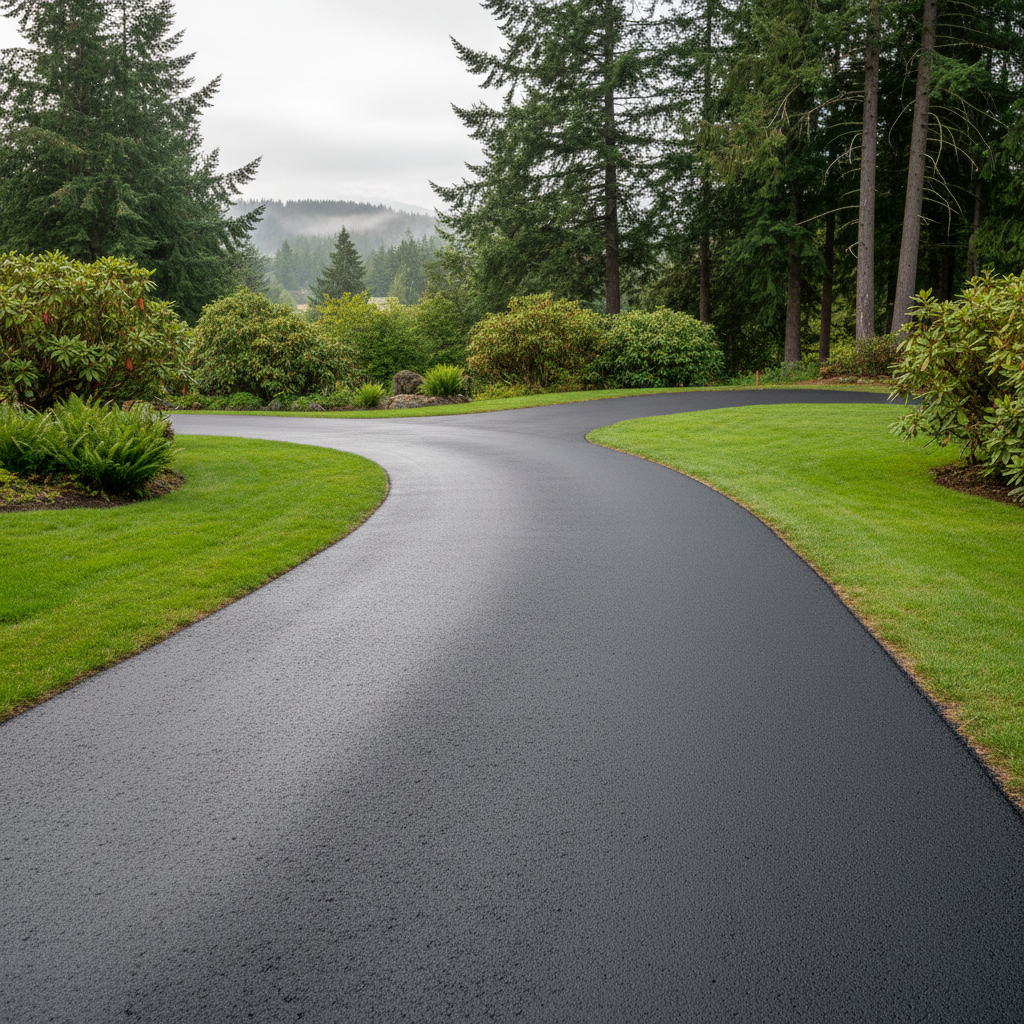
How does your driveway handle those relentless autumn rains we get around the Stillaguamish River valley? If you recently invested in a fresh Slurry Seal application, you have taken a solid step to seal the surface, but keeping it that way takes a little attention. Pavement does not take care of itself, especially when local moisture and heavy winter freezes start testing every square inch of your binder in neighborhoods from downtown Arlington out toward Haller Park.
Extending the Life of Your Pavement
Getting the most out of your Slurry Seal surface starts right after application. Property owners need to keep heavy delivery trucks off the fresh mix for the first few days while the asphalt fully cures under our Pacific Northwest skies. Once the Slurry Seal is set, keeping debris and organic matter cleared off the surface makes a huge difference. Leaves and fir needles love to hold moisture against the Asphalt, creating damp spots that slowly break down the emulsion. Coastal Asphalt Solutions has seen driveways lose years of life simply because owners let wet organic layers sit through November and December without sweeping them away.
What Regular Maintenance Looks Like
Routine care does not have to be complicated. Give your Asphalt driveway a good wash with a standard garden hose every couple of months to clear away dust, oil drips, and grime. If you spot a minor crack forming near the edges where the sub-grade meets your lawn, do not wait for it to open up. Catching those early with a rubberized crack filler keeps winter rain from seeping down into the base. Coastal Asphalt Solutions always reminds property owners that proactive little fixes prevent massive structural headaches later on.
Warning Signs of Pavement Trouble
Property owners need to keep their eyes open for specific red flags that mean an Asphalt surface is struggling in Arlington, WA. If you notice the black color turning into a dry, gray, brittle texture, or if aggregate starts popping loose under your tires, the protective layer is thinning out. Alligator cracking—where the pavement looks like a web of small scales—is another sign that the underlying silty-loam soil is shifting or moisture is trapped underneath. When water gets trapped and freezes during those cold Snohomish County snaps, it expands and breaks the Asphalt apart from the inside.
When to Call a Professional
Some chores are easy weekend projects, but Asphalt resurfacing requires specialized gear and timing. If your surface is showing widespread raveling, deep rutting, or failing patches that will not hold simple DIY filler, it is time to bring in backup. Coastal Asphalt Solutions can evaluate whether a fresh maintenance coat or a more solid overlay is required to protect your underlying investment. Call Coastal Asphalt Solutions for Asphalt work in Arlington, WA, when your driveway starts looking tired, and our team will help you figure out the smartest way to keep your pavement solid for 15 to 20 years or more.